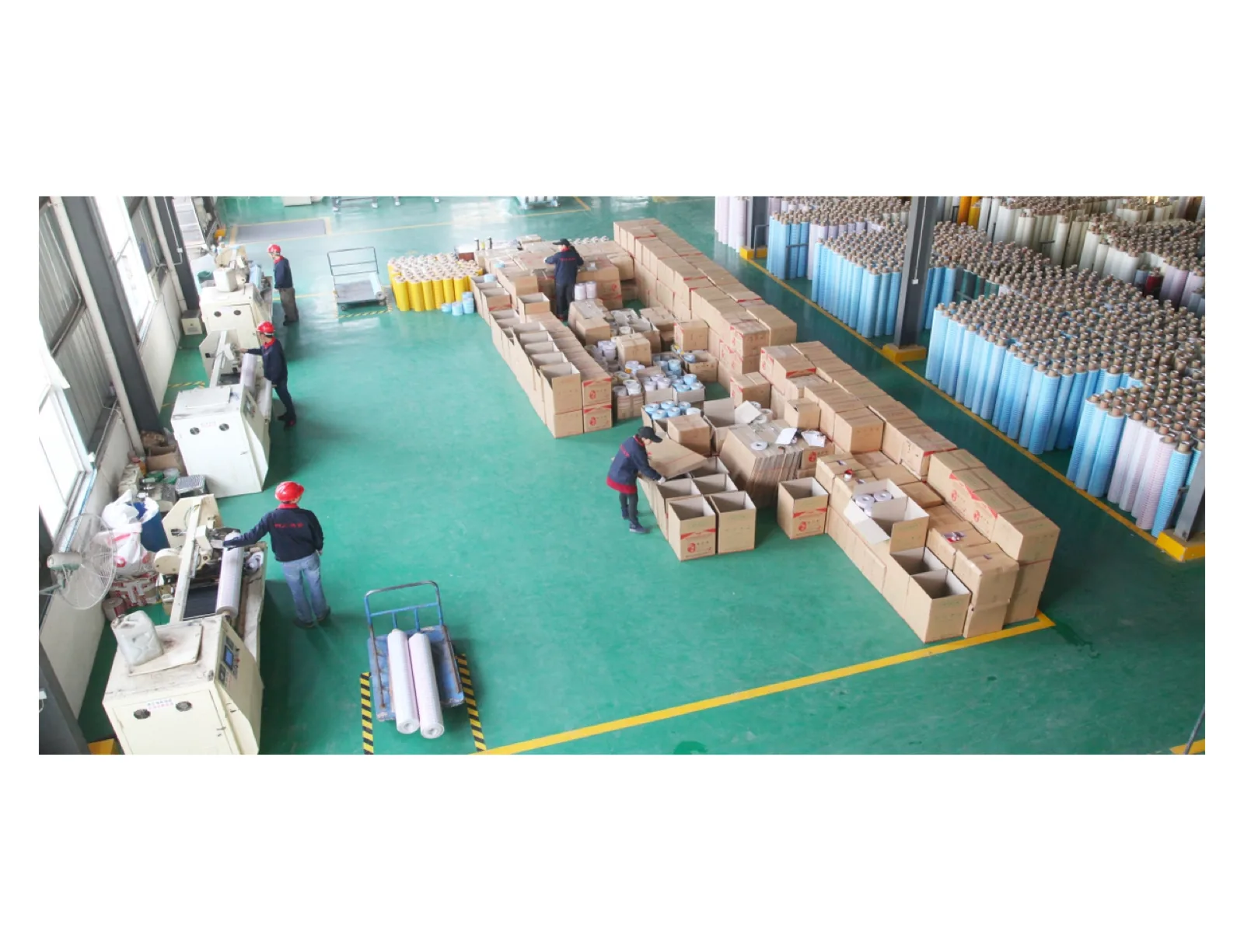
Book a pre-shipment inspection when the finished goods are available and packed, with enough time left to review the findings and resolve agreed issues before balance payment or shipment release. Set the date against the supplier’s actual production and packing plan, and confirm in writing what goods and checks the inspector will cover.
Set the inspection date against packing and shipment plans
Do not choose a date based only on the supplier’s estimated production completion date. Ask when the order will be finished, when it will be packed, and when the supplier plans to release it for shipment. An inspection scheduled before goods are ready may not represent the complete order; one scheduled after release may leave you with little practical room to respond to findings.
Agree the inspection window with both the supplier and inspection provider. Confirm how the supplier will notify you that goods are ready, whether packing will be complete at inspection, and what happens if production or packing slips. Keep the payment and shipping milestones in the written order terms consistent with this plan; an inspection does not itself change your contract or payment obligations.
For visibility before the final inspection, a production follow-up service can track progress, checkpoint photos, and packing readiness. For the final check, review the proposed scope of the Pre-Shipment Inspection and agree it for your order.
Confirm which goods and checks are in scope
A report is useful only if its scope matches the order and the decision you need to make. Before booking, share the purchase order, approved specifications, packaging and label files, and any agreed samples or reference photos. Identify which SKUs, variations, and quantities are included, and flag items that need particular attention.
Use a written scope to prevent assumptions about what the inspector will check. Confirm the inspection method and reporting format with the provider rather than assuming that every item will receive the same level of examination. If a requirement is not covered, ask whether it can be added and how it will be verified.
| Requirement to agree | What to provide or specify | How to verify it is covered |
|---|---|---|
| Products and quantity | SKU list, order quantities, and any exclusions | Ask the provider to confirm the items and quantities in the inspection plan |
| Product requirements | Approved specification, reference sample, drawings, or photos | Identify the requirement and the observable check to use in the report |
| Workmanship | Defect descriptions or examples, including issues of special concern | Confirm how findings will be recorded, categorized, and photographed |
| Packaging and labels | Approved artwork, pack configuration, and label information | Ask for a packing and label check against the latest approved files |
| Carton marks | Required carton text or artwork and any buyer-specific instructions | Confirm the marks will be checked and discrepancies documented |
These are scope-planning prompts, not a substitute for product-specific testing or any buyer-required verification. Ask directly whether a requested measurement, function check, or test is included; do not infer coverage from a general inspection description.
Review quantity, workmanship, packaging, labels, and carton marks
A final inspection can be arranged around checks such as quantity, workmanship, packaging, labels, and carton marks. Tell the provider what acceptance criteria to apply and what evidence you need. For example, specify the approved version of a label or packaging file and explain what counts as a discrepancy. If you rely on a sample, state which sample is the reference and whether any approved changes have been made since it was reviewed.
Ask the provider to report findings in a way that supports a release decision: identify the SKU or carton where relevant, describe the discrepancy, and include photos or other agreed records. Confirm what the report will contain before the visit; the inspection offer lists photos, videos, a defect list, quantity check, and packing check, but the buyer should agree which are required for this order.
Agree how discrepancies will be handled
Before the inspection, agree who receives the report, who can authorize rework or replacement, and whether the supplier must provide evidence after corrections. Set a clear process for recording findings and confirming resolution. Do not treat an inspection report as an automatic pass, a guarantee of defect-free goods, or proof of requirements that were never included in the scope.
If findings arise, compare them with the purchase order and agreed criteria. Ask the supplier to respond in writing with the proposed correction, affected quantity, and timing. Decide whether the issue calls for correction, replacement, a further check, or another action under your contract. If you request a re-inspection, confirm its scope and timing with the provider before relying on it.
Use the report to decide on balance payment and release
Review the report against your written order requirements before authorizing balance payment or shipment release. Separate documented discrepancies from preferences or requirements that were not agreed. Then record your decision and any conditions in writing with the supplier, including outstanding corrections and what evidence is needed before release.
The inspection is one input to the decision, not a replacement for your contract, payment terms, or shipping instructions. Check that the report covers the agreed goods and scope, that open issues have a documented disposition, and that the supplier’s proposed shipment matches your instructions. If the report is incomplete or unclear, request clarification before making the release decision.
For broader planning, see how to compare China supplier quotes before placing an order. If the order involves multiple suppliers and a shared shipment, warehouse consolidation and export document support can help coordinate receiving, carton-mark checks, packing-list coordination, and consolidation notes.
FAQ
How many days before shipment should I book the inspection?
There is no universal lead time that fits every order. Agree a date based on the supplier’s confirmed completion and packing plan, the inspection provider’s availability, and the time you need to review findings and agree next steps before release. Confirm the actual schedule directly with the supplier and provider.
Should the goods be packed before inspection?
Agree this in advance. If packaging, labels, or carton marks are part of your checks, the relevant packaging should be available and presented in the condition you expect to ship. Clarify whether the inspection will include packed cartons, unpacked products, or both, and whether any cartons will be opened for checking.
Can I pay the balance as soon as I receive the report?
Not automatically. Check that the report covers the agreed scope, review any discrepancies against the order requirements, and document how open issues will be handled. Follow the payment and release terms in your contract, and record your decision with the supplier.
Before booking, prepare the product specifications, SKU and quantity list, approved samples or artwork, packaging requirements, destination, planned shipment schedule, and relevant payment or release milestones. Share those details and any existing project constraints when you discuss requirements.