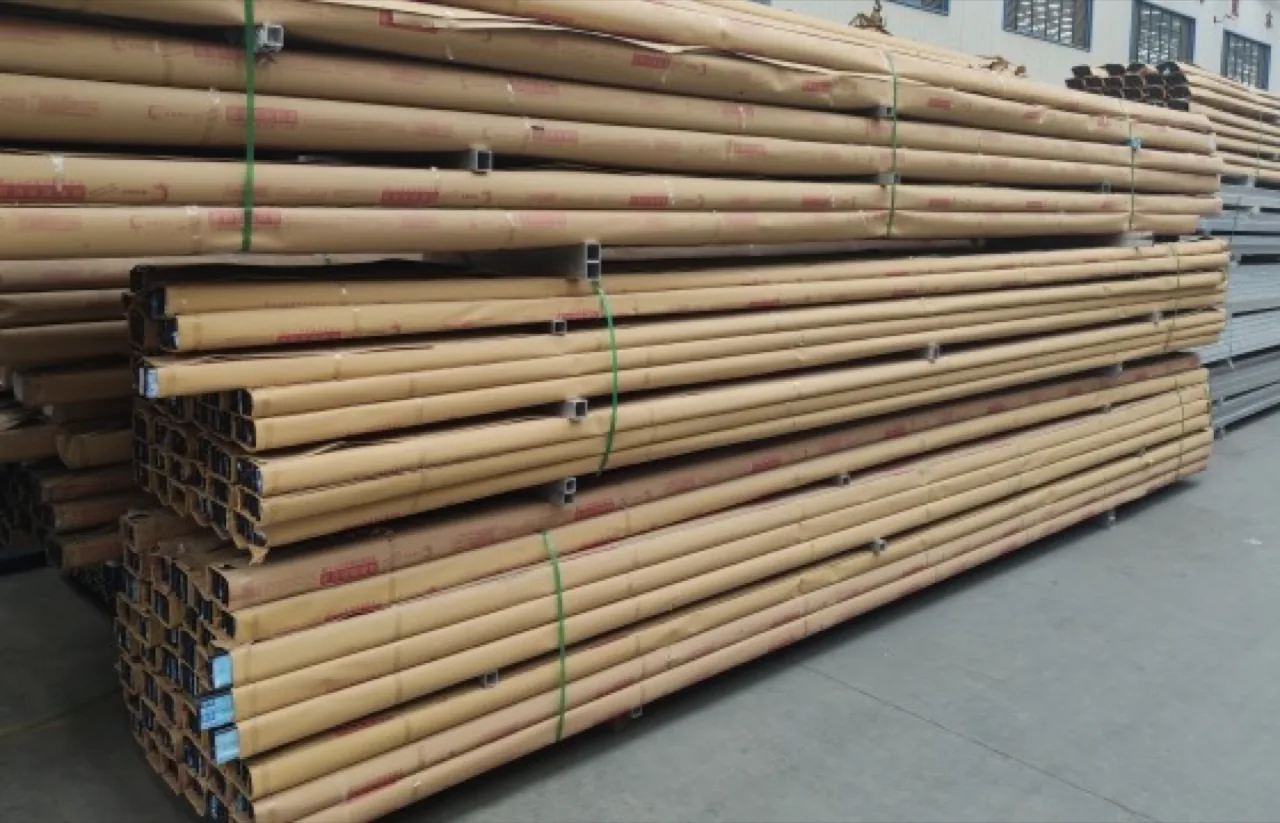
Add a China production follow-up service when a missed milestone, unapproved change, or packing error could affect your launch, cash flow, or shipment. Require a written checkpoint plan, dated status notes, order-specific photos, and a delay-alert rule so you can act while production is still changeable.
When production follow-up is worth adding to a China order
Add it when you need visibility between an approved sample and shipment, have multiple SKUs or packaging versions, cannot interpret short supplier updates, or have a fixed handover plan. It also helps when an unapproved material, artwork, quantity, or packing change would create rework or delay.
Ask for a checkpoint-based scope. The China production follow-up service covers order progress, schedule, packing readiness, checkpoint photos, status notes, and delay alerts. Confirm the supplier, purchase order, SKUs, milestones, evidence format, and update recipients in writing.
Keep the scope proportional: a repeat order with no changes may need fewer checkpoints than a private-label order linked to a launch date.
Checkpoints to define before production starts
Write the brief before production starts:
- Order identity: Include the supplier, purchase order or reference, SKU and quantity, approved sample or specification revision, artwork, packaging version, and destination.
- Milestones: Define how updates will cover material or component readiness, production start, in-process progress, completed quantity, and packing readiness. Use agreed dates, not 'on schedule' alone.
- Evidence standard: Require dated status notes and photos labelled with the order or SKU. Specify any need for video, measurements, open-carton views, or packing information.
- Change and delay alerts: Require written notice of substitutions or changes, and ask for the affected scope, reason, revised date, corrective action, and responsible contact when a checkpoint is missed.
Evidence to request for progress, schedule, and packing readiness
Each update should let you compare the current state with the agreed order. Request a short status note plus photos tied to the order; use a table like this in the brief:
| Checkpoint | Require in the update | Verification step |
|---|---|---|
| Production progress | Stage by SKU, quantity status, blocker, next action, and order-identifiable photos | Compare visible SKU, color, components, and work stage with the approved specification; ask what quantity the photo represents. |
| Schedule | Agreed milestone, current forecast, variance, reason, and owner | Compare the date with the previous update and record every changed milestone. |
| Packing readiness | Packaging revision, labels or carton marks, packed quantity or carton status, and open and closed carton photos | Compare artwork and marks with approved files; confirm that packing information matches the shipment plan. |
Photos without an order reference or production context are weak evidence. If an item cannot be supplied, record the gap and treat that checkpoint as unconfirmed until resolved.
How to handle delays, missing updates, and production changes
Use a documented buyer-supplier follow-up sequence:
- Record the missed checkpoint or change, including the last confirmed status and missing evidence.
- Ask for the affected SKU or quantity, cause, revised milestone dates, recovery action, and responsible person. Keep the request in writing.
- Require approval before accepting substitute material, revised artwork, different packaging, or a changed quantity.
- If the supplier does not respond, contact the named supplier representative and request a dated update covering the unresolved point.
- Before balance payment and shipment release, use the status evidence to decide whether to arrange a China pre-shipment inspection, covering quantity, workmanship, packaging, labels, and carton marks.
How production follow-up differs from an audit and final inspection
Each check answers a different buyer question. Supplier background verification addresses the business license, legal representative, factory or trader status, product scope, and payment account risk before you proceed. A factory audit service is an on-site review of the workshop, equipment, capacity, QC process, and certificates, with a photo audit report.
Production follow-up tracks the live order's progress, schedule, and packing readiness through checkpoint photos and status notes. Final inspection addresses the finished shipment's quantity, workmanship, packaging, labels, and carton marks before release.
An audit gives a supplier-level view at a point in time; follow-up ties evidence to your order; final inspection supports the shipment-release decision. Select one or combine them according to the risk you need to control.
FAQ
Can supplier photos replace production follow-up?
Only when they meet the evidence standard you need. Require each image to identify the order or SKU, show the relevant production or packing context, and sit beside a status note explaining the stage, quantity status, blockers, and next action. If those items are missing, use a scoped follow-up process to request and document the gap.
Can production follow-up replace final inspection?
No. Follow-up records progress and packing readiness during production. A final inspection is the point to check finished quantity, workmanship, packaging, labels, and carton marks before balance payment and shipment release when those checks are part of your brief.
To scope the project, share the product specification or approved sample, SKU and quantity by supplier, packaging and artwork files, agreed production and handover dates, destination, supplier or order reference, and any current delay or change. When you discuss requirements with the CZJ Sourcing Team, ask for written confirmation of the checkpoints, evidence format, update schedule, and delay-alert process included in the proposed service. Treat any escalation route or additional visit as a separate item unless it is expressly included.