Supplier verification and a factory audit address different questions. Supplier verification focuses on business and supplier details; a factory audit focuses on an on-site review of the workshop, equipment, capacity, quality-control process, and certificates within the agreed scope. Choose between them by identifying the uncertainty that could affect your payment, product, or production decision, and confirm exactly what the commissioned service will cover.
What Supplier Verification and a Factory Audit Actually Check
The listed scope for Supplier Background Verification includes checks relating to the business license, registered capital, legal representative, factory or trader status, product scope, export footprint, and payment-account risk. Its stated output is a risk summary with risk notes and a next-step checklist.
These checks can help organize information about a proposed supplier, but the buyer should confirm the precise documents, databases, sources, and review methods included before commissioning the work. The report should also distinguish between information shown by the supplier, information found through the agreed review, and information that remains unresolved.
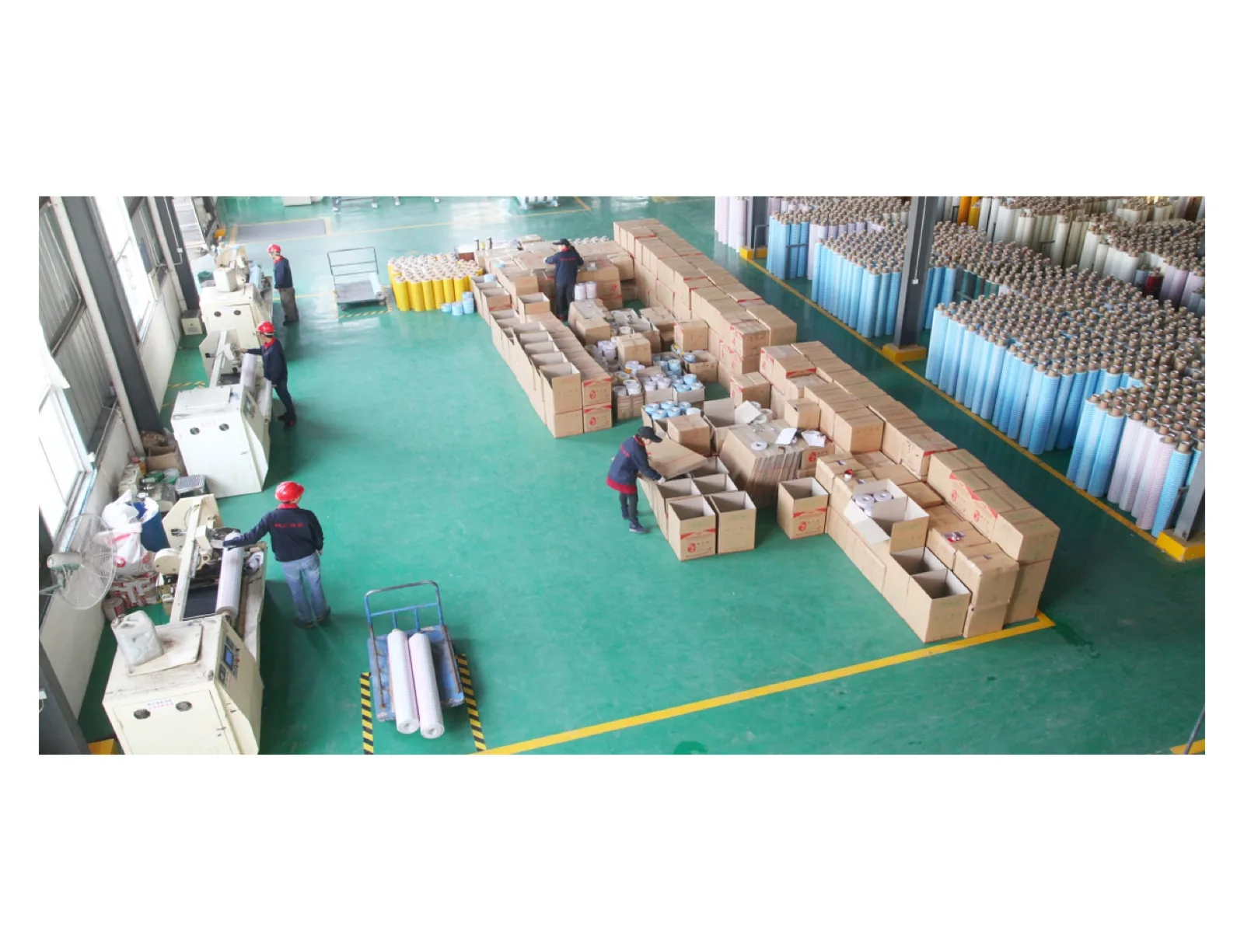
The listed scope for a Factory Audit Service includes an on-site visit with attention to the workshop, equipment, capacity, quality-control process, and certificates. Its stated output is a photo audit report with risk notes.
An audit should not be treated as automatic proof that every product will meet your specification. Before ordering, confirm whether the proposed audit will examine the specific production site, equipment, quality records, subcontracting arrangements, packaging process, or other project requirements. Those items should be treated as questions to add to the audit scope rather than assumed coverage.
Neither service replaces sample approval or a pre-shipment check. A supplier review concerns the supplier or site; it does not by itself approve the physical product for shipment. The appropriate combination depends on your project requirements and the scope agreed with the service provider.
When Background Verification May Fit an Initial Supplier Screen
Supplier verification may fit when the immediate question concerns the identity or basic business details of a new supplier. Examples include:
- You have an online lead and need to review the proposed business license, registered capital, legal representative, product scope, or factory/trader status.
- The supplier’s company name, proposed payment beneficiary, address, or product category needs clarification.
- You are comparing several potential suppliers before deciding which ones require additional checks.
- You want a risk summary and next-step checklist before moving further with a supplier discussion.
Treat this as a conditional option, not a universal first step. If your main concern is whether a particular site has the equipment or quality-control process required for your product, a document-focused verification may not answer that question. If your main concern is payment-account identity or the legal entity named in the transaction, ask whether those details are included in the agreed verification scope.
Before requesting the check, provide the exact supplier name, contact details, proposed payment information, product category, quotation, and any factory address supplied to you. Ask the provider to state which details will be checked, what evidence will be included, and which conclusions will remain subject to supplier confirmation.
For private-label projects, the Private Label Supplier Sourcing service lists supplier search, factory shortlisting, MOQ and packaging comparison, and private-label capability checks. Confirm the boundaries between those sourcing activities and any separate verification report.
When an On-Site Factory Audit May Be Justified
An on-site audit may be appropriate when your decision depends on conditions that cannot be assessed from the proposed verification scope alone. Possible reasons to request one include:
- The product requires particular equipment or a defined production capability.
- The order involves custom specifications, private-label packaging, or a substantial commitment.
- You need the proposed workshop and equipment to be reviewed at a stated address.
- Quality-control procedures or certificates are important to the project.
- Supplier statements about capacity or manufacturing arrangements need an on-site review.
These are reasons to consider adding an audit, not evidence that an audit will establish every point automatically. Give the provider a written audit brief. Identify the product, process, site address, equipment of interest, quality requirements, certificate details, and any concern about third-party production. Ask which items can be observed, which documents can be reviewed, and which items will remain outside the visit.
The catalogued factory audit output is a photo audit report with risk notes. If you require dated photographs, specific views, document copies, measurements, interviews, or a defined scoring format, request those items explicitly and confirm that they are included. Do not assume that a photograph or site visit proves continuous production capability or future batch conformity.
Where goods are already in production, Production Follow-up Service lists order-progress monitoring, checkpoint photos, delay alerts, and packing-readiness review. That is a separate production-stage scope and should not be assumed to form part of a factory audit.
How to Compare Reports, Evidence, and Risk Notes
Compare the reports against the decision you need to make and the scope you purchased. A useful comparison records what was checked, what evidence was available, what was not checked, and what action remains open.
| Buyer question | Verification scope to confirm | Audit scope to confirm | Follow-up action |
|---|---|---|---|
| Who is the proposed contracting supplier? | Business license, registered capital, legal representative, and payment-account review where included | Whether the visited site name and address can be recorded within the agreed visit | Resolve inconsistencies before finalizing the contracting and payment details |
| Is the supplier’s stated role clear? | Factory/trader status and product scope | Whether the proposed manufacturing site can be visited and described | Identify the seller, manufacturer, and responsible party in the order documents |
| Can the proposed site support the product? | Usually outside a document-focused check unless specifically included | Workshop, equipment, capacity, and quality-control process within the agreed audit scope | Compare findings with your written product and process requirements |
| Are relevant certificates part of the review? | Confirm whether certificate details are included | Confirm which certificates can be viewed and recorded during the visit | Check holder, scope, product, and validity details; verify current requirements with the relevant authority |
| What does the report deliver? | Confirm the risk notes and next-step checklist format | Confirm the photo audit report format, photographs, and risk-note detail | Request any required evidence or unanswered questions before approving the report |
Ask for risk notes to be tied to a specific requirement. For example, “equipment not reviewed” is more useful than a general statement that production is uncertain. Separate confirmed findings, supplier statements, unavailable evidence, and buyer assumptions. This makes it easier to decide whether a risk needs clarification, a corrective action, a sample check, a production follow-up visit, or a decision to pause.
A quotation can create a separate risk if suppliers are not comparing the same specification. The Quotation Comparison Service lists side-by-side comparison of unit price, MOQ, lead time, specification, and packaging. You can also use How to Compare China Supplier Quotes Before You Place an Order when reviewing what each supplier has included or excluded.
A Practical Pre-Order Decision Checklist
Use the following checklist to define the required scope:
- Write down the decision at issue: business identity, payment details, factory capability, quality-control process, sample approval, production progress, or shipment release.
- Provide the supplier’s exact company name, proposed factory address, payment beneficiary, product specification, quantity, packaging requirements, destination, and quotation.
- Request supplier verification when the agreed questions concern the business license, registered capital, legal representative, factory/trader status, product scope, export footprint, or payment-account risk.
- Request a factory audit when the agreed questions concern the workshop, equipment, capacity, quality-control process, or certificates at a proposed site.
- Ask the provider to identify exclusions. Do not assume that a verification includes an on-site visit or that an audit includes every document, process, subcontractor, or product test.
- Compare the report against the written product specification and approved sample. Mark each requirement as supported, unresolved, outside scope, or requiring another check.
- Add sample review, production follow-up, or pre-shipment inspection when those stages are relevant to your order. The Pre-Shipment Inspection service lists quantity, workmanship, packaging, labels, and carton marks as inspection areas.
- Record unresolved risks and the action required before signing, paying a deposit, releasing the balance, or shipping.
A combined verification and audit can be requested when both business identity and physical production conditions matter. Whether that combination is appropriate depends on the project, order exposure, destination requirements, and the precise scope accepted by both sides. Request separate deliverables if you need to distinguish document findings from on-site observations.
FAQ
Can a factory audit replace supplier verification?
Not automatically. The catalogued audit scope concerns an on-site review of the workshop, equipment, capacity, quality-control process, and certificates. It does not state that every business-identity or payment-account question is included. Confirm whether supplier verification is also needed for your contracting decision.
Should I verify a supplier before requesting samples?
There is no universal sequence established by the service descriptions. You can choose verification before samples when business identity or payment details are the immediate concern, or request samples first when product feasibility is the immediate concern. State the decision you are trying to make and confirm the scope of the selected check.
What should I do if the supplier is a trading company?
Ask which entity will contract with you and receive payment, and identify the proposed manufacturing site. Confirm whether the verification scope will review factory/trader status and whether an audit can be conducted at the site that would produce your goods. Put the seller’s responsibilities and product requirements in the order documents.
Does passing an audit guarantee that my order will meet specifications?
No such guarantee is established by the stated audit scope. The service is described as an on-site visit with a photo audit report and risk notes. Use a written specification, sample approval, and any additional production or pre-shipment checks required by your project.
To request and compare an agreed scope, share the product specification or photos, quantity, destination, packaging and labeling requirements, proposed supplier details, quotation, payment stage, and any existing sample or audit questions. Send the project information through discuss requirements so the requested verification or audit deliverables can be defined clearly.