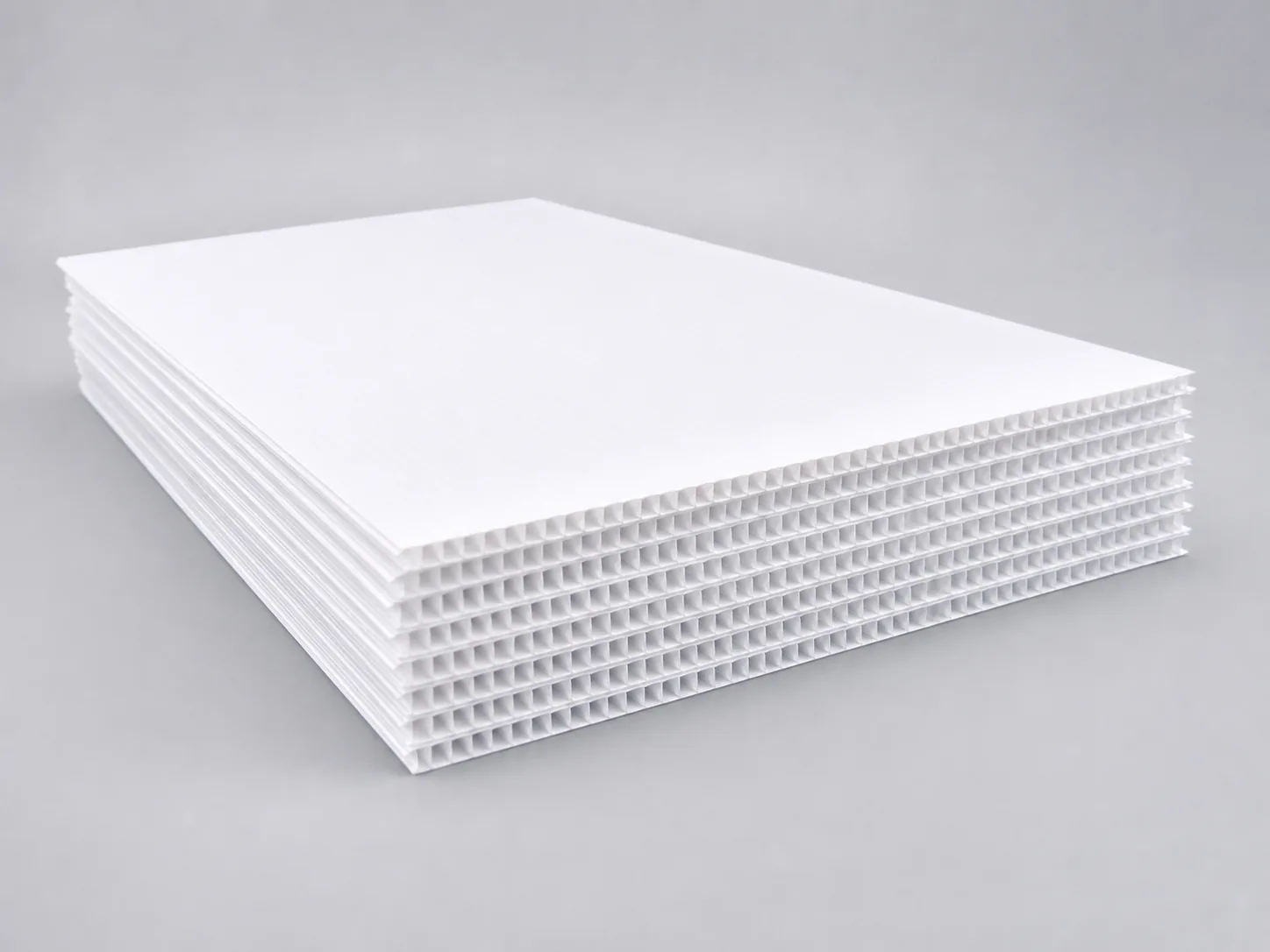
Choosing between private label packaging suppliers in China starts with a clear specification and comparable quotations. The supplier you select should be the candidate that can demonstrate a suitable match for your required format, branding, quantity, packaging details, and quality expectations.
Ask each candidate the same questions, request evidence for important claims, and record unresolved points before comparing the final options.
Define the Packaging Specification Before Requesting Quotes
A packaging supplier cannot prepare a useful quotation when the request does not identify the intended product and quantity. Before contacting suppliers, prepare a brief that describes the packaging you need and separates fixed requirements from areas where the supplier may suggest alternatives.
Your buyer brief may include:
- Packaging category and intended use
- Reference photos, drawings, links, or a specification sheet
- Finished dimensions and any required internal dimensions
- Material, construction, capacity, closure, or component requirements
- Artwork, logo placement, print area, colors, labels, and other branding details
- Individual packaging, inner packaging, master cartons, and carton-mark requirements
- Quantity by SKU, size, color, and design
- Sample quantity and approval expectations
- Delivery destination and preferred quotation basis
Treat technical details such as material thickness, dimensional tolerance, board grade, printing method, coating, finish, tooling, plates, or molds as checklist items to confirm for your particular packaging format. They are not automatically relevant to every project. Ask suppliers to state which specifications they have included and which assumptions remain open.
A consistent RFQ helps you compare replies fairly. The listed Private Label Supplier Sourcing service covers supplier search, factory shortlisting, MOQ and packaging comparison, and private label capability checks. Its stated input can include a photo, link, or specification sheet.
Compare Capability, MOQ, Packaging Options, and Cost Items
Do not assume that a supplier can produce a particular packaging format, perform a particular process, or control production directly. Ask every candidate to confirm the following points:
- Can you supply the requested packaging format and dimensions?
- Which parts of the order do you produce directly?
- Do you use another facility for printing, finishing, assembly, or other processes?
- Can you follow the supplied artwork and branding instructions?
- What is the MOQ for each SKU, material, color, and design?
- Can several SKUs or designs be combined for the quoted quantity?
- Which sample, setup, tooling, plate, mold, artwork, or other charges apply?
- What packing method and carton information are included?
- Which conditions would change the quoted price?
Ask suppliers to provide a line-by-line quotation. Separate unit price, sample charges, setup charges, tooling-related charges, packaging charges, delivery charges, and any other stated cost. Do not assume that a lower MOQ means a higher unit price, fewer options, or any particular commercial outcome. Ask the supplier to explain how quantity and configuration affect the quote.
Likewise, do not assume that a low price excludes a particular charge. Request written confirmation of what is included and excluded so that the quotations can be compared on the same basis.
| Comparison point | What to request | Suggested verification step |
|---|---|---|
| Packaging format | Dimensions, materials, construction, and included components | Compare the supplier's written offer with your specification |
| Branding | Artwork requirements, print area, logo position, and proposed process | Review the supplier's sample or proof against the approved artwork |
| MOQ | MOQ by SKU, design, color, and material | Ask the supplier to confirm whether mixed designs or quantities are accepted |
| Cost | Unit price and every separate charge | Request a line-by-line quote with currency and quotation basis |
| Packing | Individual packing, cartons, protection, and carton marks | Request proposed packing details or photos for review |
| Quality checks | Supplier's proposed inspection points and reporting | Agree which quantity, workmanship, packaging, label, and carton-mark points will be checked |
The listed Quotation Comparison Service describes side-by-side comparison of unit price, MOQ, lead time, specification, and packaging, together with a cost breakdown and recommendation notes.
Check Samples, Measurements, Branding, and Workmanship
A sample should be tied to a specific configuration. Ask the supplier to identify the material, dimensions, artwork version, branding method, and packing method represented by the sample. Record whether the item is a production sample, a digital or pre-production proof, or another sample type.
As a suggested buyer checklist, you may review:
- External and internal dimensions
- Material appearance, thickness, weight, or rigidity where relevant
- Color and surface finish
- Logo size, position, spelling, artwork alignment, and barcode clarity
- Folds, seams, closures, joins, edges, or adhesive areas where relevant
- Visible defects such as scratches, dents, stains, bubbles, print gaps, or misalignment
- Fit between the packaging and the product
- Protection provided by the proposed individual and outer packing
These are illustrative options. Select checks that match your packaging type rather than treating every item as a universal requirement. You may also choose to measure more than one sample and compare the results with the approved specification. This is a suggested buyer practice, not a stated industry requirement or a measured outcome.
Ask the supplier to explain what may vary between the approved sample and production. Record any agreed limits, approval steps, or handling of nonconforming goods in your project documents. Agree these controls and responsibilities in the project documents; confirm which activities the selected supplier or service team will perform.
For projects involving samples from multiple candidates, the listed Sample Consolidation & Photo Review service describes sample receiving, photo review, measurement, comparison, and a comparison summary.
Verify the Supplier and Review Production Information
Online information should be treated as a starting point. Ask the candidate to provide information that allows you to understand who you are dealing with and whether the proposed supplier matches your project.
Questions may include:
- What is the legal company name and business scope?
- Is the company a factory, trader, or another type of supplier?
- Where would the proposed production take place?
- Which packaging processes and equipment are relevant to this order?
- Which processes, if any, would be handled by another facility?
- What quality-control steps does the supplier propose for this project?
- Can the supplier provide progress photos or status updates during production?
- What information will be available when packing is ready?
The listed Supplier Background Verification service describes checks covering the business license, registered capital, legal representative, factory or trader status, product scope, export footprint, and payment-account risk. Treat these as the stated verification scope and confirm which checks apply to your project.
For an unfamiliar supplier or larger order, Factory Audit Service is described as an on-site review focused on the workshop, equipment, capacity, quality-control process, and certificates, with a photo audit report and risk notes. Do not treat an audit as proof of every future production result.
Production follow-up can be specified around the listed areas of order progress, schedule, packing readiness, checkpoint photos, and status notes. Other subjects, such as batch traceability, sample retention, rework procedures, payment-account ownership, or contractual defect remedies, should be treated as questions for the supplier and as buyer-controlled project decisions rather than assumed service coverage.
Build a Supplier Comparison Sheet and Select the Best-Fit Option
Use one comparison sheet for every shortlisted candidate. Mark each point as confirmed, supplier-stated, sample-verified, or still unresolved.
Recommended fields include:
- Supplier name and contracting company
- Packaging format and specification match
- Production location and stated factory or trader status
- Confirmed and unresolved branding requirements
- MOQ by SKU, design, color, and material
- Unit price and separate cost items
- Sample status and review notes
- Proposed packing method and carton information
- Stated quality-control and inspection scope
- Production progress and packing-readiness update requirements
- Main risks and next questions
Choose the candidate with the strongest fit for your complete project. A lower quote is not enough if important specifications, included costs, sample details, or supplier information remain unclear. Before placing an order, compare the final quotation, approved sample, artwork, specification, packing instructions, and inspection criteria to make sure they describe the same order.
For final quality control, the listed Pre-Shipment Inspection service lists quantity, workmanship, packaging, label, and carton-mark checks. It also describes a report containing photos, videos, a defect list, quantity checks, and packing checks, with timing before balance payment and shipment release. Agree the inspection scope in advance and do not imply that the inspection provider controls shipment departure or payment.
FAQ
What information should I send to a private label packaging supplier?
Send the packaging format, reference photos or drawings, dimensions, materials where known, artwork, quantity by SKU, packing requirements, destination, and sample expectations. Identify mandatory requirements and questions where you want the supplier to propose an option.
How should I compare packaging supplier quotations?
Ask every candidate to quote the same specification and quantity. Compare the packaging format, MOQ, unit price, separate charges, included packing, branding details, sample evidence, and unresolved assumptions. Record supplier claims separately from points verified through documents or samples.
Should I assume that a supplier is a factory?
No. Ask the candidate to state whether it is a factory, trader, or another type of supplier, where production would take place, and which processes would be handled by another facility. Supplier background verification or a factory audit can provide additional project-specific information.
What should a pre-shipment inspection cover?
The listed inspection scope includes quantity, workmanship, packaging, label, and carton-mark checks. Confirm which of these apply to your order, define the reference documents, and arrange the inspection before balance payment and shipment release as part of the agreed project process.
To compare private label packaging suppliers, share the packaging format, photos or drawings, artwork, quantity by SKU, destination, sample requirements, carton details, and any existing supplier information. Add your required inspection points and project timeline so the comparison focuses on the actual purchasing decision. You can discuss requirements with the CZJ Sourcing Team about supplier shortlisting, quotation comparison, sample review, verification, production follow-up, and inspection planning.